
For those unfamiliar, 11.11 is an annual shopping festival filled with tempting deals, made famous by China — the equivalent of Black Friday in the US. Alibaba Group alone generated over US$10 billion in GMV within the first hour of the festival, reaching US$31 billion in 24 hours. You can read more about how massive it is in China via Alizila's live coverage.
In Malaysia, online shopping was either unheard of, untrustworthy, or more expensive than retail five years ago. That changed as local e-commerce players focused on accessibility, convenience and affordability — you can now find and buy pretty much anything on these platforms.
As the e-commerce market matures, it opens the door for brands to launch more sale events, including emulating China's famous 11.11 festival. These brands invest heavily in marketing for each event, including influencer management — a staple tool to cut through the noise and present the brand favourably to their audience.
For Malaysia's 11.11 2018, we observed three players — Lazada, Shopee, and Taobao — investing considerably in influencer management (also known as KOL management, or Wanghong in China). Their shared objective: reach tech-savvy millennials on Instagram through influencers they could relate to, whether housewives, professionals, celebrities, or students.
We collected data on over 1,000 influencers posting on Instagram during this period, focusing on these three companies. For ease of reading, we segregated influencers by follower size according to SushiVid's own standard, since there's currently no official industry standard.

Influencer Category Based on Follower Size
| Category | Follower Size |
|---|---|
| Seeders | 2,000 – 10,000 |
| Micro | 10,000 – 30,000 |
| Mid-Tier | 30,000 – 50,000 |
| High-Tier | 50,000 – 100,000 |
| Macro | 100,000 – 200,000 |
| Alpha | 200,000 and above |
| Celebrity | 10,000 and above — actors, athletes, TV/radio personalities |
Influencer Campaign Profile
Each of the three players took a distinct approach to influencer selection for their 11.11 campaign.
Taobao
Worked with several Chinese mid-tier, high-tier, macro and alpha-level influencers to promote Tmall — no surprise, given their platform is mainly in Mandarin. The influencers were mostly female.
Shopee
Collaborated with a mixed-race group of seeders, micros, and Malay-centric alphas. Alpha-tier influencers skewed Malay-centric, while other tiers were a mixed race and gender.
Lazada
Engaged a mix of mid-tier, high-tier, macro, and a small number of alpha influencers, with an even gender mix across the board.
Campaign Direction
Taobao — Two Phases, Different Key Messages

Phase one involved mostly alpha influencers at their early-November media launch. The caption direction built anticipation for Taobao's 11.11 sale return; visually, influencers took pictures of themselves or with friends in front of the Taobao 11.11 backdrop.

Phase two brought in mid-tier, high-tier, macro, and a small set of alpha influencers, encouraging their audience to join Taobao's referral program contest for a chance to win 10,000 Taobao points, with a Taobao filter applied to all pictures.
Shopee

One overarching direction for all seeders, micros, and alphas: promote Shopee 11.11, with the signature Shopee sale branding in the top corner of every post. Visuals mostly featured influencers looking at their phones or showing a Shopee landing page to the audience.
Lazada

More complex than the other players, with influencers posting a series of content around different directions:
- How to win an invite to the Lazada 11.11 Supershow Concert
- Upcoming super deals on Lazada when 11.11 arrives
- Influencers enjoying themselves at the concert
- Influencers receiving products they ordered
In total, about 300–400 social media influencers participated across these three brands' campaigns.
Campaign Performance

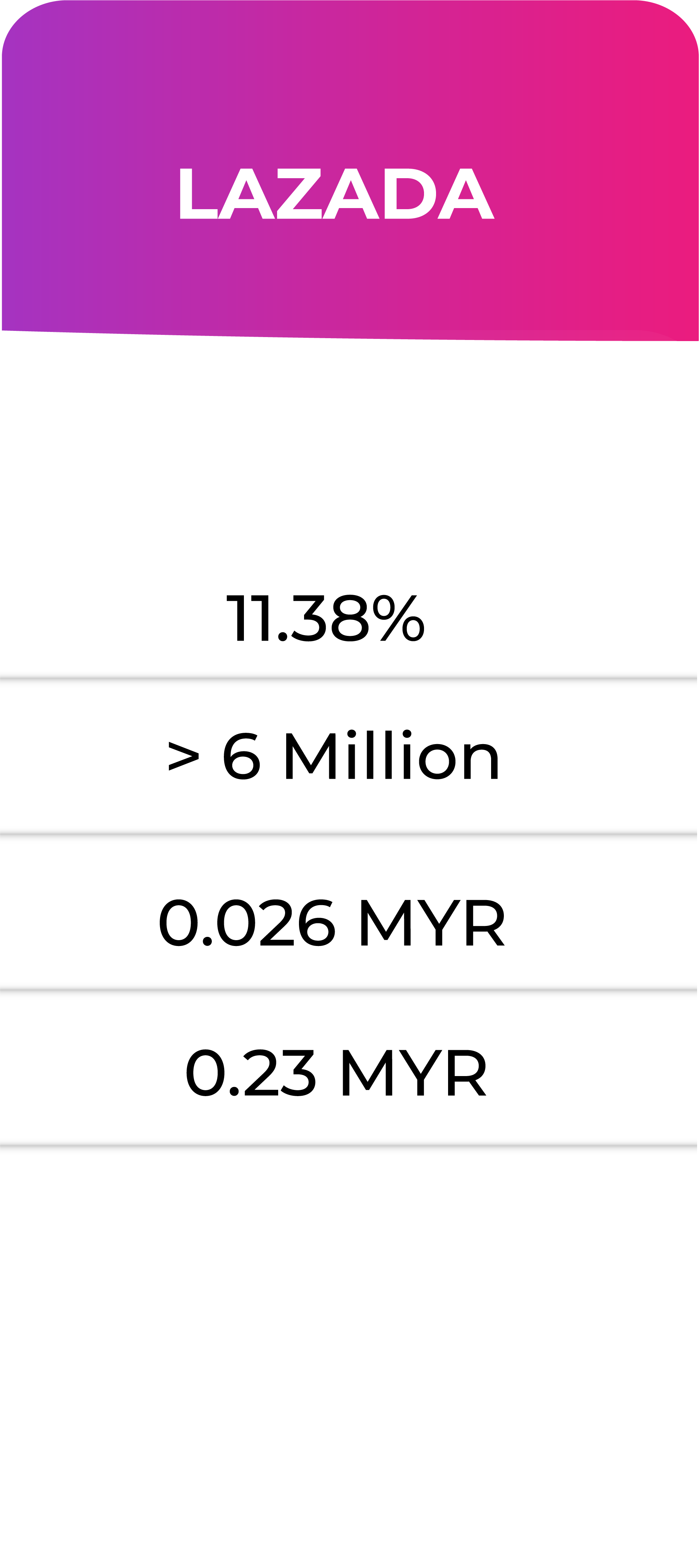


Overall, Lazada had the lowest cost per audience engagement at RM0.23 per action, with Taobao close behind at RM0.25, while Shopee paid more than double at RM0.55.
At first glance, Shopee's performance looked weak — but in reality, they were playing a different game. Their benchmark was total reach, not cost-per-engagement. Of the three, Shopee engaged more than triple the number of influencers, and total followers exceeded both competitors by at least 4.5 times — over 27 million followers, compared to Lazada's 6 million and Taobao's 5 million. Shopee's cost per reach was RM0.005, versus RM0.02 for Lazada and RM0.03 for Taobao.
Neither approach is wrong — it depends on the objective and chosen benchmark. Shopee aimed for maximum reach, engaging a high number of influencers and celebrities, including Dato' Siti Nurhaliza, Nana Mahazan, Shuib Sepahtu, Emma Maembong, Tomok and more. Lazada and Taobao spent less on influencers and more on events — their own 11.11 launches, with Lazada's SuperShow concert and Taobao's media launch (event costs not included in this analysis).
How These Brands Kept Up Their Efforts in 2019
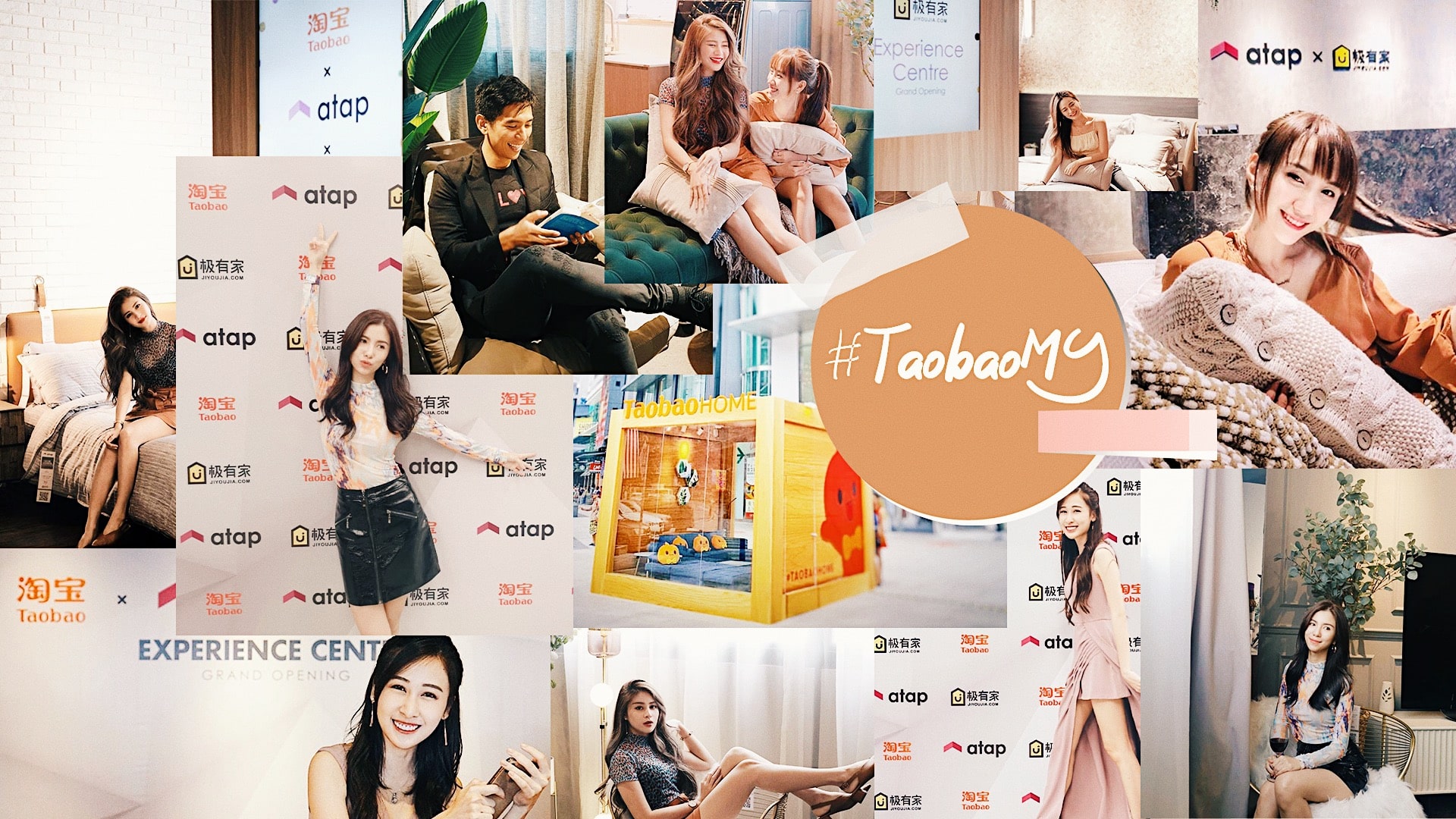
Taobao engaged only a small number of influencers for a June campaign, though we expect this to change as 11.11 approaches — Taobao created 11.11 and offers the most diverse product range only available in China.

Lazada prominently utilised influencers across almost all 2019 campaigns, the largest being flying 200 influencers to Jakarta for the Lazada 7th Birthday SuperParty, featuring Agnes Monica and Dua Lipa — mostly mid-tier and alpha influencers. See their 2019 campaigns here.

Shopee went all-out engaging influencers and celebrities — just check the #shopeemy tag on Instagram for a range of campaigns. They also made legendary footballer Cristiano Ronaldo their brand ambassador.
What Can We Expect for 2019's 11.11 Influencer Campaigns?
A Nielsen Global Consumer Loyalty Survey (Q1 2019) found that 44% of Malaysian consumers love trying new products, while 47% prefer sticking to known brands but can be persuaded to switch. New brands can gain a foothold against more established names; established brands should continue — or increase — their marketing efforts to build and strengthen market share.

With this in mind, expect more of the same influencer management effort, with additions such as live streaming. Lazada first experimented with live broadcasting during 2018's 11.11 SuperShow celebration and 2019's Super Party concert in Jakarta, later expanding to live streaming shows with personalities like Sean Lee, Maggy, Wang and Aiman Tino.

Shopee started their own branded live streaming shows featuring KOLs, and even granted verified shops and users access to host their own live streams via Shopee Live — recording over 2,000 orders for a new lipstick product within minutes of a single stream. This opens up a possible new cost-per-sale (CPS) model, closely tied to how live streaming works on Taobao in China.
It'll be fascinating to see what these giants do next on 11.11 — the same influencer strategy backed by live streaming, or perhaps new players with a fresh approach to influencer management?
What about your brand? Thinking about launching your own 11.11 influencer campaign? Check out our 11.11 package prices to see what SushiVid has on offer and get in touch!
Disclaimer — this is based on information available via social media and estimations based on SushiVid's experience working with over 500 brands and 30,000 branded contents.